

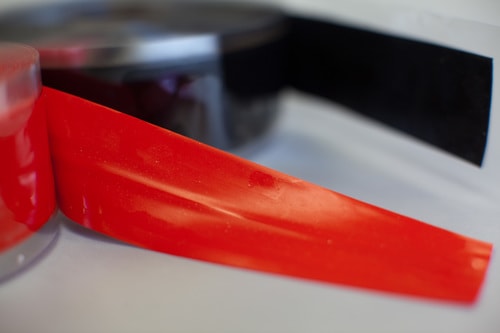
SayFuse silicone tape is used to insulate cable harnesses, electrical splices, coils, and bus bars. It bonds to itself without adhesive, forming a continuous insulating layer around the wrapped component.
The shape of the assembly, its operating temperature, and its electrical requirements all affect material selection. Understanding how SayFuse works and where it is used can help you choose a suitable tape profile, width, and thickness.
Common Uses for SayFuse Silicone Tape
Cable Harnesses and Electrical Splices
Wire bundles and spliced connections often change in shape and size, making them difficult to wrap evenly. SayFuse conforms around these areas and fuses to itself to create a continuous layer of insulation.
For these applications, the tape needs to follow the contours of the assembly. Selecting an appropriate width and thickness helps match the material to the component being wrapped and its insulation requirements.
Coil Insulation
Coils can experience vibration, shock, and expansion or contraction as temperatures change. SayFuse provides flexible insulation that accommodates this movement.
Its strength and elasticity also make it suitable for automatic coil wrapping processes. These characteristics are useful in applications where the insulation must conform around a coil and withstand movement during operation.
Bus Bar Insulation
SayFuse can also be used to insulate bus bars. Its ability to conform around difficult shapes helps create an even wrap around the component.
The selected tape and the finished assembly need to meet the application's electrical and temperature requirements. Tape dimensions should be reviewed as part of that selection.
How Self Fusing Silicone Tape Works
SayFuse bonds to itself after wrapping, forming an insulating layer without an adhesive backing. The tape cures in 24 hours at room temperature.
The triangular version is designed so overlapping layers produce a smooth, uniform finish around irregular shapes. It also includes a colored guide line to assist with wrapping. This profile can be useful for components with bends, contours, or changes in size.
Temperature Ratings for SayFuse
SayFuse has separate temperature ranges for continuous and intermittent use:
- Continuous use: −60°C (−76°F) to 200°C (392°F)
- Intermittent use: −65°C (−85°F) to 260°C (500°F)
The 260°C rating applies to intermittent exposure. Applications that remain at an elevated temperature during normal operation should be evaluated against the continuous use range.
Temperature is one part of material selection. The electrical requirements and the selected tape configuration also need to suit the application.
Available Profiles and Product Options
SayFuse meets or exceeds MIL CID A-A-59163 requirements and is available in Type I rectangular and Type II triangular guide line profiles.
Multiple widths and thicknesses are available. Color options vary by configuration, so the required profile, dimensions, and color should be confirmed when selecting a product.
Review our SayFuse technical datasheet for additional material properties and product information.
Selecting SayFuse for Your Application
Start with the component you need to insulate and the conditions it will face. Its shape, electrical requirements, operating temperature, and any specified material standards help determine which tape is appropriate.
Contact our team for help selecting a SayFuse tape profile, width, and thickness for your application.